

Offside betting is determined by the number of Offside situations officially called by the referee during regulation time. On Yonogames, this content can appear through several market formats with different calculation methods. Newcomers should understand the rule, review team data, and check the listed line before making a selection.
Overview of offside betting
Offside betting is a prediction format based on the number of situations in which a player is officially judged to be in an Offside position by the referee during a football match. Unlike selections determined by goals, this market focuses more heavily on tactical developments and how frequently attacking players move beyond the defensive line.
When following a match, readers need to distinguish between a player merely standing in an advanced position and a situation officially recognized as Offside. Only the referee’s confirmed decisions are relevant to the recorded data. Pre-match statistics can also provide reference information, especially when the two teams use noticeably different attacking systems.
For example, a side that frequently sends forwards behind the defensive line may create a different pattern from a team that builds attacks more patiently in front of the opposition. However, the final recorded figure still depends on the situations that actually occur and are officially called.

Common types of Offside markets in football
On football platforms, offside betting may be divided into several groups according to how results are calculated. Each format has separate conditions, so newcomers should read the listed line and settlement rules carefully before choosing.
Odd or even total Offsides
This format uses the total number of recorded Offside situations in a match and determines whether that number is odd or even. The concept is relatively direct because the user does not need to compare the total with a separate Over/Under threshold.
The important point is to identify which period of the match is included in settlement. Users should confirm whether the market is based only on regulation time and how the platform handles unusual match situations before making a selection.
Over/Under offside betting
The Over/Under format introduces a line for the total number of Offsides. Users compare their assessment with the listed threshold and select the corresponding side. The final result is then determined by the officially recorded total under the platform’s settlement rules.
Before making a choice, readers can examine the recent Offside numbers of both teams, their attacking style, and the behavior of opposing defensive lines. The listed threshold itself should also be checked because the same match may be presented with different lines at different times.
Offside Handicap
Handicap markets compare the number of Offsides recorded for two teams while applying a predefined advantage or disadvantage. This format therefore requires users to consider not only the match total but also which side is more likely to be caught Offside more frequently.
A team that regularly attacks with quick forward runs may produce different statistics from one that keeps possession and progresses through shorter combinations. The opposing defense also matters because an organized high line can deliberately create more Offside situations.

Factors to examine before selecting offside betting
Reading this market effectively requires attention to tactical information rather than relying only on the final scores of previous matches. Several factors can influence how frequently Offside situations occur, and no single statistic should automatically determine a selection.
Examine each team’s attacking style
Teams that frequently use through balls, fast counterattacks, or forwards making runs behind the defensive line may create more potential Offside situations. By contrast, teams that build slowly and keep most attacking players in front of the defense may produce a different statistical pattern.
The purpose of reviewing style is to understand how the match could develop. Recent data can then be compared with that tactical context rather than being treated as an isolated number.
Consider the opponent’s defensive line
A high defensive line can increase the possibility that attacking players are caught beyond the last defender. Some teams deliberately maintain compact spacing and step forward together, while others defend deeper and leave less space behind them.
When evaluating offside betting, users should therefore consider both sides of the interaction. An aggressive attacking team may not produce the same Offside frequency against every opponent because defensive positioning changes the available space.
Review recent match data
Recent statistics can show how often a team has been caught Offside and how frequently its opponents have received the same calls. Looking across several matches provides a broader reference point than relying on one unusually high or low result.
Users should also consider whether recent opponents had similar tactical characteristics. A statistic collected against deep defensive teams may not directly represent what will happen against a side using a high line.
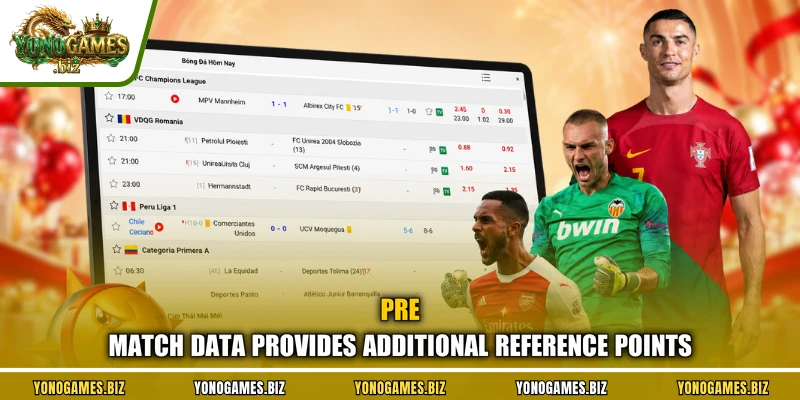
Experience for reading offside betting more effectively
When analyzing this type of market, users can begin by reviewing the expected pace and tactical direction of the match. A high-tempo contest in which both teams repeatedly push players forward can produce more runs behind the defense. A slower match centered on possession and controlled spacing may create fewer such situations.
The schedule, available attacking personnel, and the way the opponent organizes its Offside trap should also be considered. If several pieces of information indicate the same tactical tendency, users have a clearer basis for reading the market instead of depending only on an immediate impression.
It is also useful to distinguish between historical averages and current match conditions. Squad changes or a different tactical setup may affect whether older figures remain relevant. Statistics should therefore function as supporting information rather than as a guaranteed indication of the next result.
Users should finally check the settlement conditions displayed by the platform. Knowing which official data source is used and which match period is counted can prevent confusion after the final whistle.
Conclusion
Offside betting depends on Offside situations officially recognized by the referee, making rule knowledge and pre-match data important parts of the analysis. By distinguishing odd/even, Over/Under, and Handicap formats while also reviewing attacking style and defensive positioning, newcomers can read the listed markets more clearly and understand the factors behind each selection.